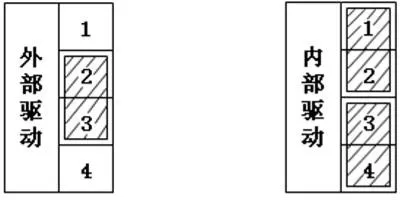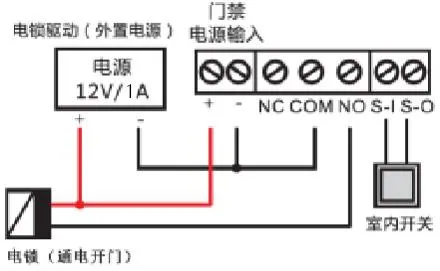
كيف يتم توصيل نظام التحكم في الدخول بقفل كهربائي؟

مقدمة

نظرة عامة

توضح هذه الوثيقة كيفية توصيل جهاز التحكم في الدخول بقفل كهربائي. عندما يكون تيار بدء تشغيل القفل الكهربائي أقل من 12V/500mA، يمكن تزويد القفل بالطاقة من خلال جهاز التحكم في الدخول، ويسمى ذلك وضع التغذية الداخلية. عندما يتجاوز تيار بدء تشغيل القفل الكهربائي 12V/500mA، يعمل جهاز التحكم في الدخول فقط كمخرج تحكم بدائرة قصر، ويجب أن تأتي الطاقة من القفل نفسه أو من مصدر طاقة خارجي، ويسمى ذلك وضع التغذية الخارجية. يتم التحكم في هذين الوضعين بواسطة وصلة JP1. يمكن تنفيذ طريقة التوصيل المحددة وفقًا للإرشادات الواردة في هذه الوثيقة.

الطرازات المناسبة

سلسلة التحكم في الدخول

الجمهور المستهدف

هذه الوثيقة موجهة إلى جميع المستخدمين الذين يستخدمون وظيفة توصيل القفل الكهربائي بجهاز التحكم في الدخول.

دليل التشغيل

ما هي أقفال Fail-safe وأقفال Fail-secure

Fail-safe: قفل كهربائي يفتح الباب عند انقطاع التيار ويُقفل عند وجود الطاقة
Fail-secure: قفل كهربائي يبقى مغلقًا عند انقطاع التيار ويفتح عند وجود الطاقة
قفل Fail-safe: عند انقطاع الطاقة أو حدوث عطل، يفتح القفل الكهربائي من نوع fail-safe تلقائيًا حتى يتمكن الأشخاص من مغادرة منطقة خطرة. لهذا يسمى “آمنًا”: فهو آمن للأشخاص وليس للمكان المحمي.
تُستخدم أقفال Fail-safe عادةً عند المداخل والمخارج، مثل أبواب المكاتب أو أبواب الردهات.
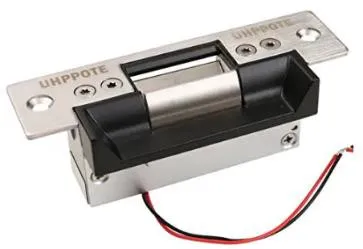
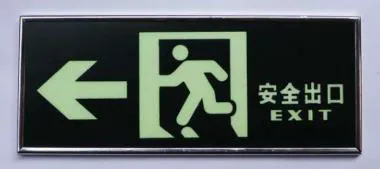
قفل Fail-safeقفل Fail-secure
قفل Fail-secure: عند انقطاع التيار، يبقى قفل Fail-secure مغلقًا.
تُستخدم أقفال Fail-secure في سيناريوهات التحكم في الدخول التي تتطلب حماية أعلى للممتلكات، مثل الخزائن وغرف تقنية المعلومات. ويمكن استخدامها أيضًا في أبواب الحريق أو أبواب السلالم. عند حدوث حريق، تبقى هذه الأبواب مغلقة لعزل جزء من المساحة ومنع انتشار النار.
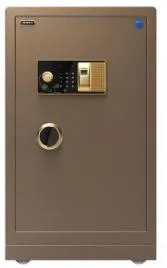
           قفل Fail-secure مستخدم للخزينة

كيفية تحديد وضع عمل القفل الكهربائي

تدعم أجهزة التحكم في الدخول والفيديو من Becke وضعي التغذية الداخلية والتغذية الخارجية، والوضع الافتراضي للجهاز هو وضع التغذية الخارجية.
وضع التغذية الداخلية: عندما يكون تيار بدء تشغيل القفل الإلكتروني أقل من 12V / 500mA، يمكن استخدام وضع التغذية الداخلية، وتكون واجهة القفل مخرج 12V DC.
وضع التغذية الخارجية: عندما يتجاوز تيار بدء تشغيل القفل الإلكتروني 12V / 500mA، يجب استخدام وضع تشغيل خارجي، وتعمل واجهة القفل كخرج تحكم بدائرة قصر.
ملاحظة:
1) قيمة 500mA هنا تشمل تيار بدء التشغيل اللحظي. وبشكل عام، يكون تيار بدء التشغيل اللحظي أعلى من تيار التشغيل العادي. إذا تم توصيل قفل كهربائي يتجاوز 500mA، فقد يُعاد تشغيل الجهاز عند محاولة الفتح بسبب حماية زيادة التيار.
2) في وضع التغذية الداخلية، لا يجوز توصيل القفل الكهربائي بمصدر طاقة خارجي. إذا تم التوصيل بالخطأ، فقد يتلف مرحل خرج الجهاز.
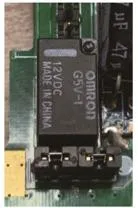
           بطاريةوضع التغذية

احتياطات قبل التوصيل

قبل التوصيل، يرجى الانتباه إلى ما يلي:
1) تأكد من نوع القفل الكهربائي: fail-safe أو fail-secure
2) تأكد من مواصفات القفل الكهربائي وما إذا كان تيار بدء التشغيل أقل من 12V / 500mA؛
3) ابدأ التوصيل

وضع التغذية الداخلية

Step1. تحقق من مواصفات القفل الكهربائي وتأكد أن جهد التشغيل 12V وأن التيار الأقصى 500mA.
Step2. تحقق مما إذا كان نوع القفل الكهربائي fail-secure أو fail-safe. إذا لم يكن أيًا منهما، فلا يمكن استخدام وضع التغذية الداخلية.
Step3. تأكد من توصيل وحدة وصلة JP1، ثم وصل pin1 مع pin2، ووصل pin3 مع pin4.
Step4. وفقًا لنوع القفل، قم بتوصيل القفل الكهربائي بواجهة COM-NC أو COM-NO في جهاز التحكم في الدخول.
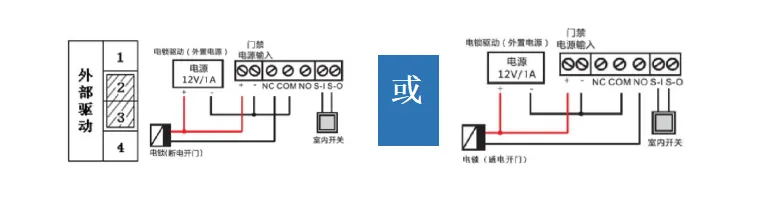
مخطط توصيل وضع التغذية الداخلية
مزايا وضع التغذية الداخلية:
عادةً يكون موضع التركيب بالقرب من باب تكون فيه الواجهات محدودة، ولا يحتاج وضع التغذية الداخلية إلى مصدر طاقة خارجي. بهذه الطريقة يكون التركيب أبسط والتكلفة أقل.
ملاحظة: يدعم i33V / i32V وضع التغذية الداخلية فقط على منفذ خرج الدائرة القصيرة 1.

وضع التغذية الخارجية

Step1. تحقق من مواصفات القفل الكهربائي وتأكد أن الجهد والتيار الأقصى للقفل يتوافقان مع مواصفات مرحل جهاز التحكم في الدخول.

معلمات جهد الجهاز
Step2. تأكد من توصيل JP1، وصل pin2 مع pin3، واترك pin1 و pin4 فارغين.
Step3. عند استخدام الوضع غير النشط، يعمل NC-COM / NO-COM كمفتاح ON / OFF بين القفل ومصدر الطاقة الخارجي.
1) وصل القطب الموجب لمصدر الطاقة الخارجي بالقطب الموجب للقفل الإلكتروني؛
2) وصل القطب السالب لمصدر الطاقة الخارجي بمنفذ COM في جهاز التحكم في الدخول
3) وفقًا لنوع القفل، وصل الطرف السالب للقفل الإلكتروني بمنفذ NC أو NO في جهاز التحكم في الدخول.
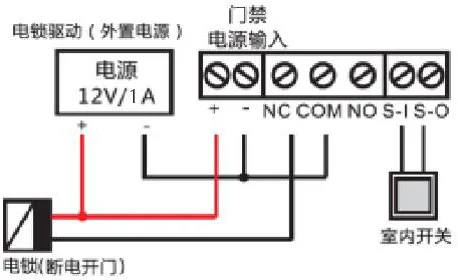
مخطط توصيل وضع التغذية الخارجيةمخطط توصيل وضع التغذية الخارجية

كتالوج
خدمة العملاء الهاتف
We use cookie to improve your online experience. By continuing to browse this website, you agree to our use of cookie.

Cookies

This Cookie Policy explains how we use cookies and similar technologies when you access or use our website and related services. Please read this Policy together with our Terms and Conditions and Privacy Policy so that you understand how we collect, use, and protect information.

By continuing to access or use our Services, you acknowledge that cookies and similar technologies may be used as described in this Policy, subject to applicable law and your available choices.

Updates to This Cookie Policy

We may revise this Cookie Policy from time to time to reflect changes in legal requirements, technology, or our business practices. When we make updates, the revised version will be posted on this page and will become effective from the date of publication unless otherwise required by law.

Where required, we will provide additional notice or request your consent before applying material changes that affect your rights or choices.

What Are Cookies?

Cookies are small text files placed on your device when you visit a website or interact with certain online content. They help websites recognize your browser or device, remember your preferences, support essential functionality, and improve the overall user experience.

In this Cookie Policy, the term “cookies” also includes similar technologies such as pixels, tags, web beacons, and other tracking tools that perform comparable functions.

Why We Use Cookies

We use cookies to help our website function properly, remember user preferences, enhance website performance, understand how visitors interact with our pages, and support security, analytics, and marketing activities where permitted by law.

We use cookies to keep our website functional, secure, efficient, and more relevant to your browsing experience.

Categories of Cookies We Use

Strictly Necessary Cookies

These cookies are essential for the operation of the website and cannot be disabled in our systems where they are required to provide the service you request. They are typically set in response to actions such as setting privacy preferences, signing in, or submitting forms.

Without these cookies, certain parts of the website may not function correctly.

Functional Cookies

Functional cookies enable enhanced features and personalization, such as remembering your preferences, language settings, or previously selected options. These cookies may be set by us or by third-party providers whose services are integrated into our website.

If you disable these cookies, some services or features may not work as intended.

Performance and Analytics Cookies

These cookies help us understand how visitors use our website by collecting information such as traffic sources, page visits, navigation behavior, and general interaction patterns. In many cases, this information is aggregated and does not directly identify individual users.

We use this information to improve website performance, usability, and content relevance.

Targeting and Advertising Cookies

These cookies may be placed by our advertising or marketing partners to help deliver more relevant ads and measure the effectiveness of campaigns. They may use information about your browsing activity across different websites and services to build a profile of your interests.

These cookies generally do not store directly identifying personal information, but they may identify your browser or device.

First-Party and Third-Party Cookies

Some cookies are set directly by our website and are referred to as first-party cookies. Other cookies are set by third-party services, such as analytics providers, embedded content providers, or advertising partners, and are referred to as third-party cookies.

Third-party providers may use their own cookies in accordance with their own privacy and cookie policies.

Information Collected Through Cookies

Depending on the type of cookie used, the information collected may include browser type, device type, IP address, referring website, pages viewed, time spent on pages, clickstream behavior, and general usage patterns.

This information helps us maintain the website, improve performance, enhance security, and provide a better user experience.

Your Cookie Choices

You can control or disable cookies through your browser settings and, where available, through our cookie consent or preference management tools. Depending on your location, you may also have the right to accept or reject certain categories of cookies, especially those used for analytics, personalization, or advertising purposes.

Please note that blocking or deleting certain cookies may affect the availability, functionality, or performance of some parts of the website.

Restricting cookies may limit certain features and reduce the quality of your experience on the website.

Cookies in Mobile Applications

Where our mobile applications use cookie-like technologies, they are generally limited to those required for core functionality, security, and service delivery. Disabling these essential technologies may affect the normal operation of the application.

We do not use essential mobile application cookies to store unnecessary personal information.

How to Manage Cookies

Most web browsers allow you to manage cookies through browser settings. You can usually choose to block, delete, or receive alerts before cookies are stored. Because browser controls vary, please refer to your browser provider’s support documentation for details on how to manage cookie settings.

Contact Us

If you have any questions about this Cookie Policy or our use of cookies and similar technologies, please contact us at support@becke.cc .