
مورد

فهم أفضل الممارسات واستكشاف الحلول المبتكرة وإقامة اتصالات مع شركاء آخرين في جميع أنحاء مجتمع بيكر.

×

نقطة اللمس

نقطة اللمس

بالإضافة إلى الأجهزة الطرفية ، يجب أيضًا مراعاة جميع الموظفين والأماكن والأشياء المتصلة بالشبكة.

تعلم المزيد

مورد

مورد

فهم أفضل الممارسات واستكشاف الحلول المبتكرة وإقامة اتصالات مع شركاء آخرين في جميع أنحاء مجتمع بيكر.

اتصل بنا
كيفية إعداد استبدال الطلب السريع على أجهزة التحكم في الوصول ؟

المقدمة

نظرة عامة

عند إجراء المكالمات من جهاز التحكم في الوصول، يصعب تذكر عناوين IP الطويلة أو حسابات SIP. يسمح استبدال الاتصال السريع باستخدام رمز قصير بدلاً من عنوان IP الكامل أو الحساب. يوضح هذا المستند بالتفصيل كيفية تكوين وظيفة استبدال الاتصال السريع على أجهزة التحكم في الوصول.

الموديلات المعمول بها

Bi20S, Bi30, Bi23S, Bi31S, Bi33V, Bi33VF.

أدوات التحضير المطلوبة مسبقًا

① جهاز صناعي واحد (يستخدم Bi20S كمثال)، ومبدل PoE واحد (أو مصدر طاقة DC). قم بتوصيل الجهاز بالمبدل.
② جهاز كمبيوتر تصليح متصل بنفس المبدل لضمان الاتصال الشبكي بين الكمبيوتر والجهاز.

مخطط توصيل الجهاز والكمبيوتر

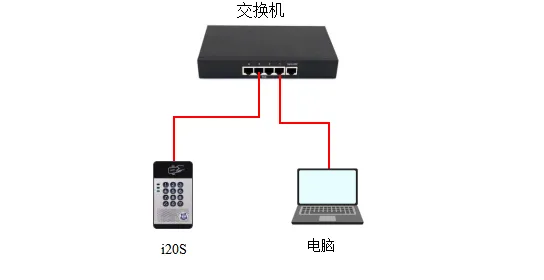
قم بتوصيل جهاز i20S بالمبدل، واتصل بالكمبيوتر بنفس المبدل لضمان الاتصال الشبكي. يظهر مخطط التوصيل في الشكل 1.
مخطط توصيل الجهاز والكمبيوتر

                       الشكل 1 مخطط توصيل الجهاز والكمبيوتر

وظيفة استبدال الاتصال السريع

توجد طريقتان لتكوين استبدال الاتصال السريع على أجهزة التحكم في الوصول: قواعد النظير الاتصالي وقواعد التحكم في الوصول. تُقدم الخطوات التفصيلية لكلا الطريقتين أدناه.

الطريقة 1: قواعد النظير الاتصالي

تتطلب طريقة النظير الاتصالي التكوين عبر واجهة الويب للجهاز. الخطوات التفصيلية كالتالي:
(1) تسجيل الدخول إلى واجهة الويب: أدخل عنوان IP للجهاز في المتصفح، وسجل الدخول باستخدام اسم المستخدم وكلمة المرور (الافتراضي: admin).
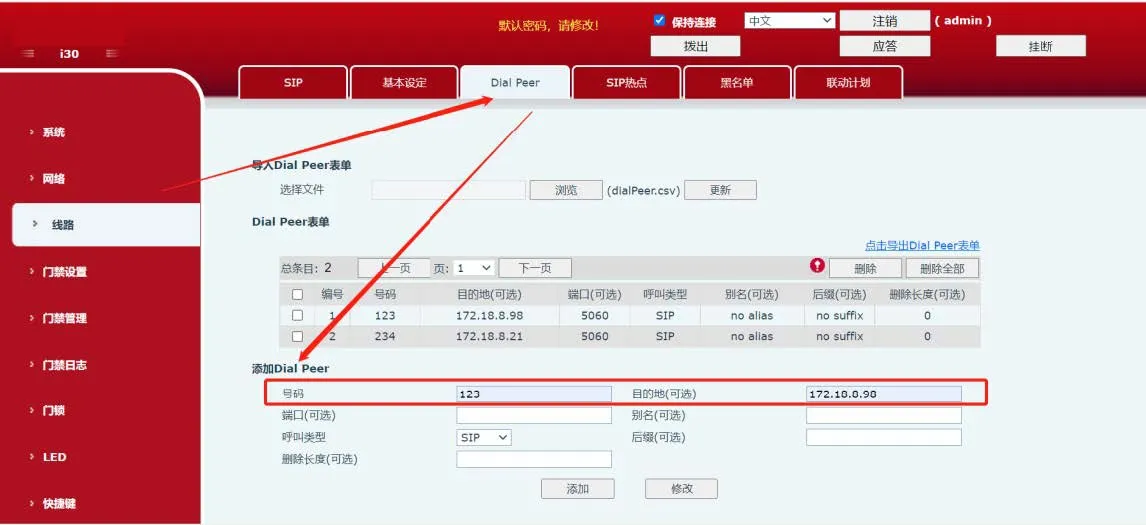
(2) انتقل إلى الحساب --- النظير الاتصالي --- إضافة نظير اتصالي، وقم بالتكوين كما هو موضح في الشكل 2:
① الرقم: رمز قصير مخصص يُستخدم للاتصال;
② الوجهة: العنوان المستهدف للاتصال (عنوان IP أو حساب SIP; يتطلب حساب SIP التسجيل). يُستخدم عنوان IP كمثال هنا;
مخطط إضافة قاعدة النظير الاتصالي

الشكل 2 مخطط إضافة قاعدة النظير الاتصالي

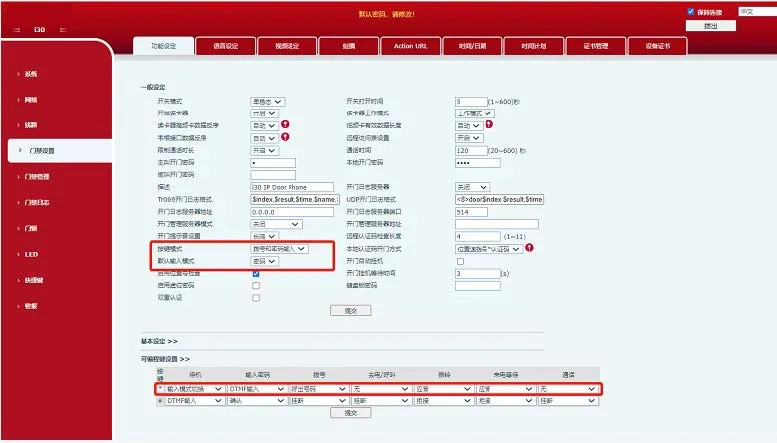
(3) انتقل إلى إعدادات التحكم في الوصول --- إعدادات الوظيفة، وقم بالتكوين كما هو موضح في الشكل 3:
تحت الإعدادات العامة:
① اضبط وضع المفتاح على "الاتصال وإدخال كلمة المرور": يمكن استخدام المفاتيح للاتصال وإدخال كلمة المرور;
② اضبط وضع الإدخال الافتراضي على "كلمة المرور": الإدخال الافتراضي للتحقق من كلمة المرور;
تحت إعدادات المفاتيح القابلة للبرمجة:
اضبط حالة الانتظار لـ المفتاح * على تبديل وضع الإدخال، والاتصال على اتصال بالرقم;
مخطط إعدادات وضع المفتاح والمفاتيح القابلة للبرمجة

الشكل 3 مخطط إعدادات وضع المفتاح والمفاتيح القابلة للبرمجة

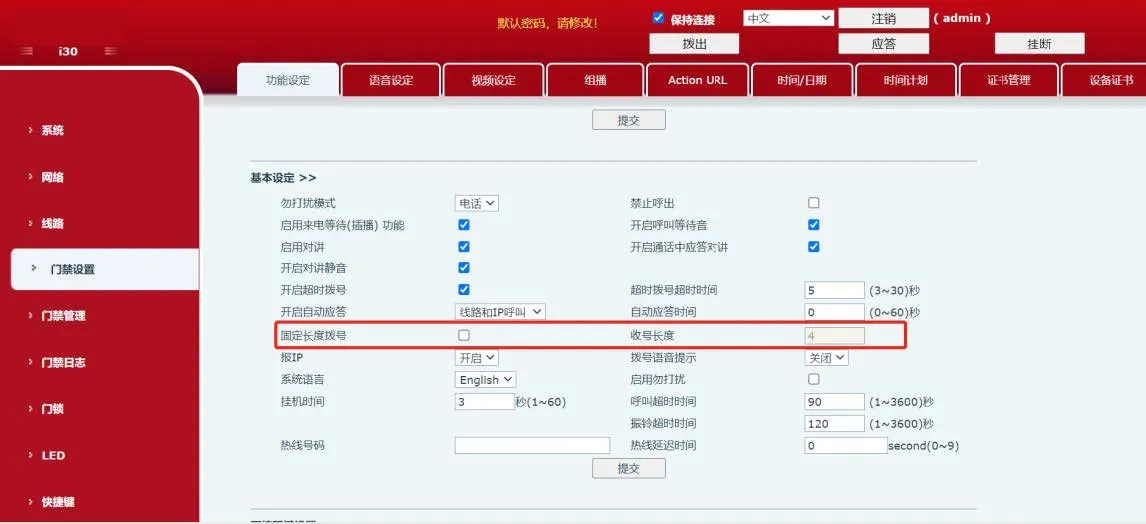
(4) انتقل إلى إعدادات التحكم في الوصول --- إعدادات الوظيفة --- الإعدادات الأساسية، وألغِ تحديد خيار الاتصال بطول ثابت، كما هو موضح في الشكل 4;
مخطط إلغاء تحديد الاتصال بطول ثابت

الشكل 4 مخطط إلغاء تحديد الاتصال بطول ثابت

(5) بعد إكمال التكوين أعلاه، أدخل *الرمز_القصير_المخصص* على لوحة المفاتيح لإجراء الاتصال على الفور، أو أدخل *الرمز_القصير_المخصص وانتظر 3 ثوانٍ للاتصال التلقائي. في هذا المثال، أدخل *123* أو *123 لإجراء مكالمة.

الطريقة 2: قواعد التحكم في الوصول

(1) تسجيل الدخول إلى الجهاز: أدخل عنوان IP للجهاز في المتصفح، وسجل الدخول باستخدام اسم المستخدم وكلمة المرور (الافتراضي: admin).
(2) انتقل إلى إدارة التحكم في الوصول -- إضافة قاعدة تحكم في الوصول، وقم بالتكوين كما هو موضح في الشكل 5:
① الاسم: اسم مخصص;
② رمز الاتصال السريع للموقع: رمز قصير مخصص للاتصال;
③ رقم المالك: العنوان المستهدف (حساب SIP أو عنوان IP; يُستخدم حساب SIP كمثال هنا);
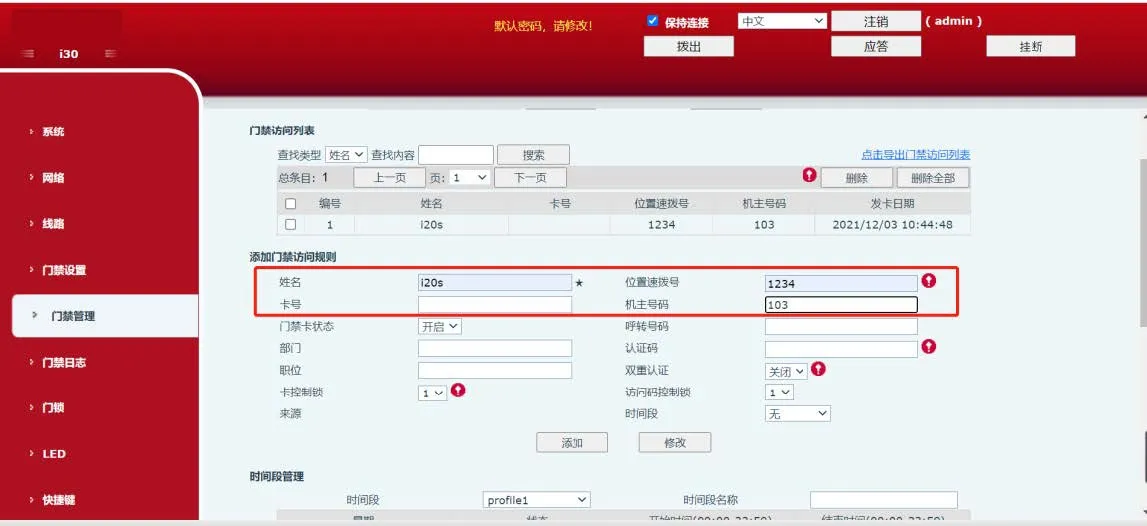
مخطط إضافة قاعدة التحكم في الوصول

الشكل 5 مخطط إضافة قاعدة التحكم في الوصول

(3) بما أن الاتصال بحساب SIP مُستخدم في هذا المثال، يجب تسجيل حساب SIP. انتقل إلى الحساب -- SIP -- إعدادات التسجيل لتسجيل الحساب، كما هو موضح في الشكل 6.
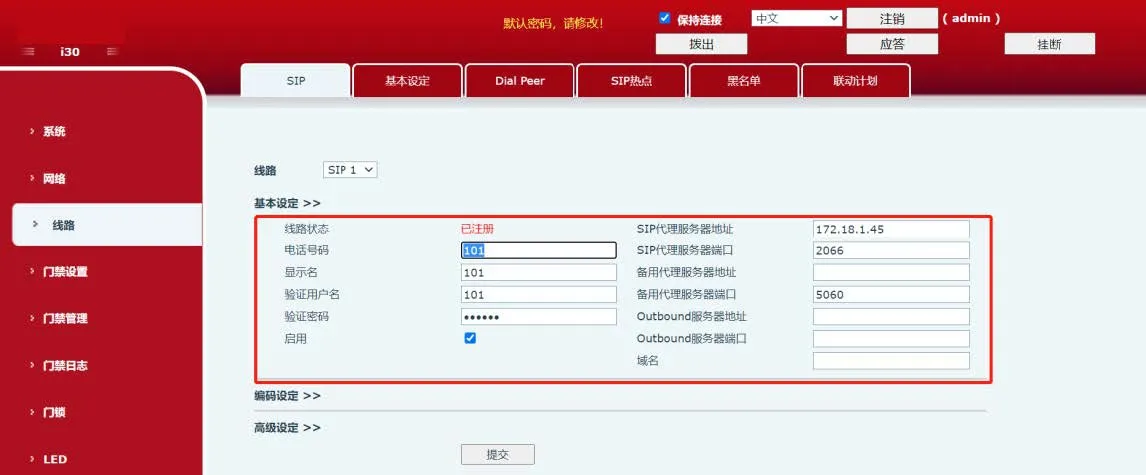
مخطط تسجيل حساب SIP

الشكل 6 مخطط تسجيل حساب SIP

(4) كرر الخطوات 3 و4 من القسم 2.1. بعد التكوين، أدخل *الرمز_القصير_المخصص* لإجراء الاتصال على الفور، أو أدخل *الرمز_القصير_المخصص وانتظر 3 ثوانٍ للاتصال التلقائي. في هذا المثال، أدخل *1234* أو *1234 لإجراء مكالمة.

كتالوج
المهنية الصانع الاتصالات الصناعية ، وتوفير ضمان الاتصالات موثوقية عالية!
مشاورات التعاون
خدمة العملاء الهاتف
We use cookie to improve your online experience. By continuing to browse this website, you agree to our use of cookie.

Cookies

This Cookie Policy explains how we use cookies and similar technologies when you access or use our website and related services. Please read this Policy together with our Terms and Conditions and Privacy Policy so that you understand how we collect, use, and protect information.

By continuing to access or use our Services, you acknowledge that cookies and similar technologies may be used as described in this Policy, subject to applicable law and your available choices.

Updates to This Cookie Policy

We may revise this Cookie Policy from time to time to reflect changes in legal requirements, technology, or our business practices. When we make updates, the revised version will be posted on this page and will become effective from the date of publication unless otherwise required by law.

Where required, we will provide additional notice or request your consent before applying material changes that affect your rights or choices.

What Are Cookies?

Cookies are small text files placed on your device when you visit a website or interact with certain online content. They help websites recognize your browser or device, remember your preferences, support essential functionality, and improve the overall user experience.

In this Cookie Policy, the term “cookies” also includes similar technologies such as pixels, tags, web beacons, and other tracking tools that perform comparable functions.

Why We Use Cookies

We use cookies to help our website function properly, remember user preferences, enhance website performance, understand how visitors interact with our pages, and support security, analytics, and marketing activities where permitted by law.

We use cookies to keep our website functional, secure, efficient, and more relevant to your browsing experience.

Categories of Cookies We Use

Strictly Necessary Cookies

These cookies are essential for the operation of the website and cannot be disabled in our systems where they are required to provide the service you request. They are typically set in response to actions such as setting privacy preferences, signing in, or submitting forms.

Without these cookies, certain parts of the website may not function correctly.

Functional Cookies

Functional cookies enable enhanced features and personalization, such as remembering your preferences, language settings, or previously selected options. These cookies may be set by us or by third-party providers whose services are integrated into our website.

If you disable these cookies, some services or features may not work as intended.

Performance and Analytics Cookies

These cookies help us understand how visitors use our website by collecting information such as traffic sources, page visits, navigation behavior, and general interaction patterns. In many cases, this information is aggregated and does not directly identify individual users.

We use this information to improve website performance, usability, and content relevance.

Targeting and Advertising Cookies

These cookies may be placed by our advertising or marketing partners to help deliver more relevant ads and measure the effectiveness of campaigns. They may use information about your browsing activity across different websites and services to build a profile of your interests.

These cookies generally do not store directly identifying personal information, but they may identify your browser or device.

First-Party and Third-Party Cookies

Some cookies are set directly by our website and are referred to as first-party cookies. Other cookies are set by third-party services, such as analytics providers, embedded content providers, or advertising partners, and are referred to as third-party cookies.

Third-party providers may use their own cookies in accordance with their own privacy and cookie policies.

Information Collected Through Cookies

Depending on the type of cookie used, the information collected may include browser type, device type, IP address, referring website, pages viewed, time spent on pages, clickstream behavior, and general usage patterns.

This information helps us maintain the website, improve performance, enhance security, and provide a better user experience.

Your Cookie Choices

You can control or disable cookies through your browser settings and, where available, through our cookie consent or preference management tools. Depending on your location, you may also have the right to accept or reject certain categories of cookies, especially those used for analytics, personalization, or advertising purposes.

Please note that blocking or deleting certain cookies may affect the availability, functionality, or performance of some parts of the website.

Restricting cookies may limit certain features and reduce the quality of your experience on the website.

Cookies in Mobile Applications

Where our mobile applications use cookie-like technologies, they are generally limited to those required for core functionality, security, and service delivery. Disabling these essential technologies may affect the normal operation of the application.

We do not use essential mobile application cookies to store unnecessary personal information.

How to Manage Cookies

Most web browsers allow you to manage cookies through browser settings. You can usually choose to block, delete, or receive alerts before cookies are stored. Because browser controls vary, please refer to your browser provider’s support documentation for details on how to manage cookie settings.

Contact Us

If you have any questions about this Cookie Policy or our use of cookies and similar technologies, please contact us at support@becke.cc .