مورد

فهم أفضل الممارسات واستكشاف الحلول المبتكرة وإقامة اتصالات مع شركاء آخرين في جميع أنحاء مجتمع بيكر.

×

نقطة اللمس

نقطة اللمس

بالإضافة إلى الأجهزة الطرفية ، يجب أيضًا مراعاة جميع الموظفين والأماكن والأشياء المتصلة بالشبكة.

تعلم المزيد

مورد

مورد

فهم أفضل الممارسات واستكشاف الحلول المبتكرة وإقامة اتصالات مع شركاء آخرين في جميع أنحاء مجتمع بيكر.

اتصل بنا
مكالمة هاتفية صناعية إلى وظيفة الإرسال المتعدد مقدمة

مقدمة

نظرة عامة

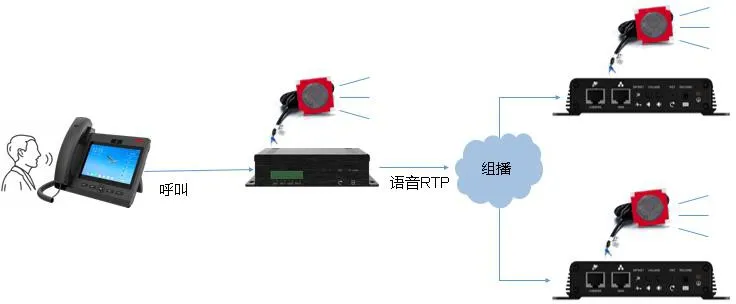
يصف هذا المستند وظيفة الاتصال إلى البث المتعدد (Call to Multicast) للجهاز. تعني وظيفة الاتصال إلى البث المتعدد أنه بعد استقبال الجهاز للمكالمة، يقوم بإرسال الصوت البعيد إلى شبكة البث المتعدد، مما يسمح للأجهزة الأخرى على الشبكة باستقبال البث وتشغيله. في نفس الوقت، يقوم الجهاز المتصل بتشغيل الصوت عبر مكبر الصوت الخاص به.

الطرازات المطبقة

جميع الطرازات الحالية التي تبيعها الشركة؛ لا تشمل المنتجات التي انتهى عمرها الافتراضي (EOL).

كيفية عمل وظيفة الاتصال إلى البث المتعدد

تتم مكالمة عادية بين جهازين مع صوت ثنائي الاتجاه كامل النصف المزدوج. توسع وظيفة الاتصال إلى البث المتعدد هذا إلى تطبيقات البث الإذاعي. في هذه الوظيفة، يكون المتصل عادةً هاتف IP، والمستلم جهاز بث مثل BK-DAB-PA3. بعد استقبال المستلم للمكالمة والصوت، يقوم بتشغيل الصوت محليًا وإعادة توجيهه إلى عنوان بث متعدد تم تكوينه. ثم يقوم جهاز استقبال بث متعدد واحد أو أكثر بتشغيل الصوت في نفس الوقت.
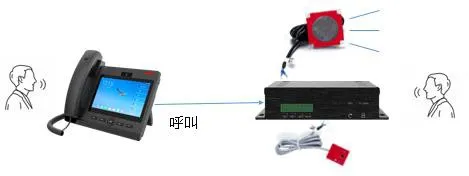
مخطط المكالمة العادية

الشكل 1 مكالمة عادية

مخطط الاتصال إلى البث المتعدد

الشكل 2 الاتصال إلى البث المتعدد

سيناريوهات التطبيق

السيناريو 1: النداء عبر البث الإذاعي
يتصل هاتف IP بجهاز بث BK-DAB-PA3 لإجراء نداء لمجموعة كاملة.
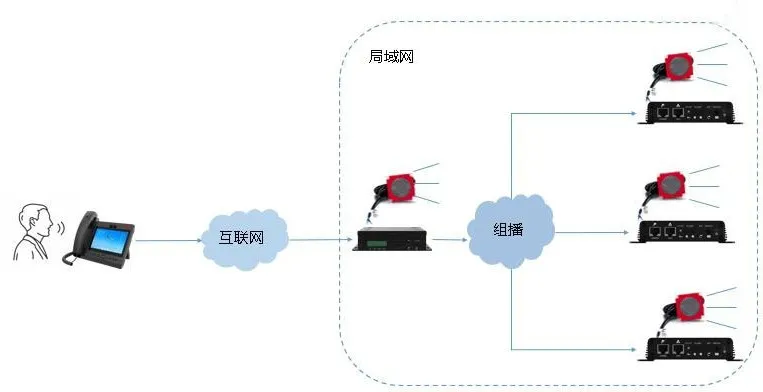
نداء هاتف IP إلى جهاز البث

السيناريو 2: تضخيم الصوت
يقوم هاتف IP بتضخيم الصوت المستلم.
ملاحظة: تجنب الصدى من خلال موازنة مستوى الصوت والمسافة بين المرسل والمستلم.
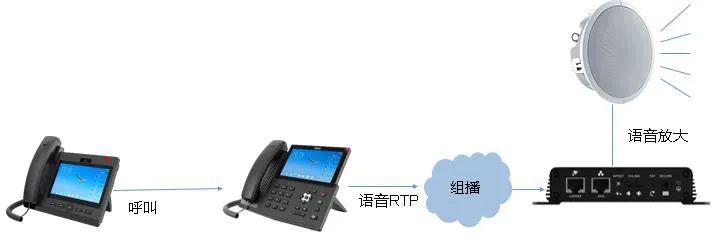
تضخيم صوت هاتف IP

المتطلبات الأساسية

  1. إعداد جهازي بث أو أكثر متصلين بمبدل PoE مع عناوين IP شبكية صالحة.

  2. إعداد حاسوب تكوين على نفس الشبكة المحلية، قادر على الوصول إلى الأجهزة.

مخطط الأسلاك

قم بتوصيل هواتف IP وأجهزة البث PA بمبدل PoE كما هو موضح أدناه.

مخطط توصيل الأجهزة

دليل التشغيل

قبل استخدام وظيفة الاتصال إلى البث المتعدد، يجب تكوين الأجهزة. يستخدم هذا المستند F600S (المتصل)، PA3 (مرسل البث المتعدد)، PA2 / PA2S (أجهزة استقبال البث المتعدد) كأمثلة. يشمل التكوين: 1. تكوين مرسل البث المتعدد PA3 2. تكوين أجهزة استقبال البث المتعدد PA2 / PA2S 3. تكوين المكالمة بين F600S و PA3 (راجع الأسئلة الشائعة الأخرى)

تكوين مرسل البث المتعدد PA3

يستخدم المرسل ميزة خطة الإجراء (Action Plan). فهي تطابق رقم المتصل والاتجاه، ثم تنفذ إجراء البث المتعدد.
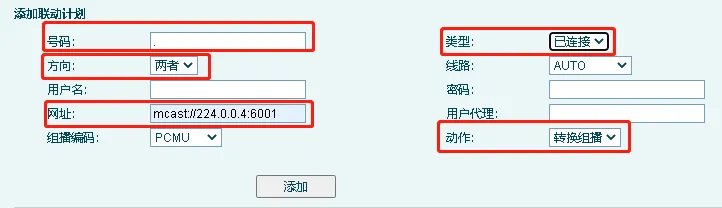
تكوين مرسل البث المتعدد PA3

الحقول:
- الرقم: يطابق معرف المتصل. استخدم النقطة "." لأي رقم، على سبيل المثال: "71." تطابق 71xx. البادئة IP مثل "172.18.8." مدعومة أيضًا.
ملاحظة: النقطة "." هي حرف بدل لأي رقم.
- النوع: حدد متصل (Connected) (بدء البث المتعدد بعد قبول المكالمة).
- الاتجاه: كلا الاتجاهين، وارد، أو صادر.
- عنوان URL: عنوان البث المتعدد بالصيغة: mcast://ip:port
 نطاق IP: 224.0.0.0 – 239.255.255.255
&nbsp>المنفذ: 1–65535 (يوصى بأن يكون ≥1000)
- الإجراء: حدد التحويل إلى بث متعدد (Convert to Multicast).

تكوين جهاز استقبال البث المتعدد

قم بتسجيل الدخول إلى واجهة الويب لجهاز PA2 / PA2S. انتقل إلى الإعدادات → البث المتعدد. أدخل نفس IP والمنفذ للبث المتعدد المستخدم في المرسل.
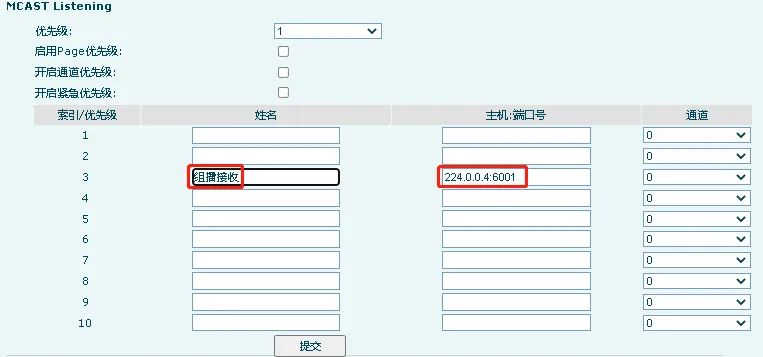
جهاز استقبال البث المتعدد PA2S

الشكل 1 جهاز استقبال البث المتعدد PA2S
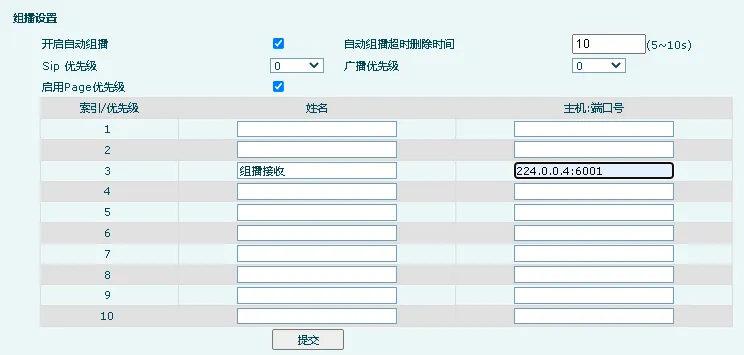
جهاز استقبال البث المتعدد PA2

الشكل 2 جهاز استقبال البث المتعدد PA2

الحقول:
- الفهرس/الأولوية: الرقم الأقل = أولوية أعلى (1 = أعلى أولوية). الأولوية الأعلى يمكنها مقاطعة الأولوية الأدنى.
- الاسم: اسم مخصص.
- المضيف:المنفذ: يجب أن يتطابق تمامًا مع المرسل.
- القناة: اتركها عند 0 (للتوافق مع Polycom فقط).

تصليح الأعطال: عدم عمل وظيفة الاتصال إلى البث المتعدد

إذا فشلت الوظيفة بعد التكوين، تحقق من هذه الخطوات:

  1. تأكد من أن المرسل وأجهزة الاستقبال على نفس الشبكة المحلية. يجب ألا يتم حظر البث المتعدد بواسطة المبدلات أو أجهزة التوجيه أو الشبكات الظاهرية (VLANs).

  2. تحقق من أن قاعدة الرقم في المرسل تطابق رقم المتصل. إذا لم يكن هناك تطابق، فلن يبدأ البث المتعدد.

كتالوج
المهنية الصانع الاتصالات الصناعية ، وتوفير ضمان الاتصالات موثوقية عالية!
مشاورات التعاون
خدمة العملاء الهاتف
We use cookie to improve your online experience. By continuing to browse this website, you agree to our use of cookie.

Cookies

This Cookie Policy explains how we use cookies and similar technologies when you access or use our website and related services. Please read this Policy together with our Terms and Conditions and Privacy Policy so that you understand how we collect, use, and protect information.

By continuing to access or use our Services, you acknowledge that cookies and similar technologies may be used as described in this Policy, subject to applicable law and your available choices.

Updates to This Cookie Policy

We may revise this Cookie Policy from time to time to reflect changes in legal requirements, technology, or our business practices. When we make updates, the revised version will be posted on this page and will become effective from the date of publication unless otherwise required by law.

Where required, we will provide additional notice or request your consent before applying material changes that affect your rights or choices.

What Are Cookies?

Cookies are small text files placed on your device when you visit a website or interact with certain online content. They help websites recognize your browser or device, remember your preferences, support essential functionality, and improve the overall user experience.

In this Cookie Policy, the term “cookies” also includes similar technologies such as pixels, tags, web beacons, and other tracking tools that perform comparable functions.

Why We Use Cookies

We use cookies to help our website function properly, remember user preferences, enhance website performance, understand how visitors interact with our pages, and support security, analytics, and marketing activities where permitted by law.

We use cookies to keep our website functional, secure, efficient, and more relevant to your browsing experience.

Categories of Cookies We Use

Strictly Necessary Cookies

These cookies are essential for the operation of the website and cannot be disabled in our systems where they are required to provide the service you request. They are typically set in response to actions such as setting privacy preferences, signing in, or submitting forms.

Without these cookies, certain parts of the website may not function correctly.

Functional Cookies

Functional cookies enable enhanced features and personalization, such as remembering your preferences, language settings, or previously selected options. These cookies may be set by us or by third-party providers whose services are integrated into our website.

If you disable these cookies, some services or features may not work as intended.

Performance and Analytics Cookies

These cookies help us understand how visitors use our website by collecting information such as traffic sources, page visits, navigation behavior, and general interaction patterns. In many cases, this information is aggregated and does not directly identify individual users.

We use this information to improve website performance, usability, and content relevance.

Targeting and Advertising Cookies

These cookies may be placed by our advertising or marketing partners to help deliver more relevant ads and measure the effectiveness of campaigns. They may use information about your browsing activity across different websites and services to build a profile of your interests.

These cookies generally do not store directly identifying personal information, but they may identify your browser or device.

First-Party and Third-Party Cookies

Some cookies are set directly by our website and are referred to as first-party cookies. Other cookies are set by third-party services, such as analytics providers, embedded content providers, or advertising partners, and are referred to as third-party cookies.

Third-party providers may use their own cookies in accordance with their own privacy and cookie policies.

Information Collected Through Cookies

Depending on the type of cookie used, the information collected may include browser type, device type, IP address, referring website, pages viewed, time spent on pages, clickstream behavior, and general usage patterns.

This information helps us maintain the website, improve performance, enhance security, and provide a better user experience.

Your Cookie Choices

You can control or disable cookies through your browser settings and, where available, through our cookie consent or preference management tools. Depending on your location, you may also have the right to accept or reject certain categories of cookies, especially those used for analytics, personalization, or advertising purposes.

Please note that blocking or deleting certain cookies may affect the availability, functionality, or performance of some parts of the website.

Restricting cookies may limit certain features and reduce the quality of your experience on the website.

Cookies in Mobile Applications

Where our mobile applications use cookie-like technologies, they are generally limited to those required for core functionality, security, and service delivery. Disabling these essential technologies may affect the normal operation of the application.

We do not use essential mobile application cookies to store unnecessary personal information.

How to Manage Cookies

Most web browsers allow you to manage cookies through browser settings. You can usually choose to block, delete, or receive alerts before cookies are stored. Because browser controls vary, please refer to your browser provider’s support documentation for details on how to manage cookie settings.

Contact Us

If you have any questions about this Cookie Policy or our use of cookies and similar technologies, please contact us at support@becke.cc .