مورد

فهم أفضل الممارسات واستكشاف الحلول المبتكرة وإقامة اتصالات مع شركاء آخرين في جميع أنحاء مجتمع بيكر.

×

نقطة اللمس

نقطة اللمس

بالإضافة إلى الأجهزة الطرفية ، يجب أيضًا مراعاة جميع الموظفين والأماكن والأشياء المتصلة بالشبكة.

تعلم المزيد

مورد

مورد

فهم أفضل الممارسات واستكشاف الحلول المبتكرة وإقامة اتصالات مع شركاء آخرين في جميع أنحاء مجتمع بيكر.

اتصل بنا
مقدمة إلى وظيفة الزناد DTMF البعيد

    مقدمة

    نظرة عامة

تقدم هذه الوثيقة بشكل أساسي وظيفة التشغيل عن بُعد لـ DTMF لمنتجات الاتصال الداخلي.
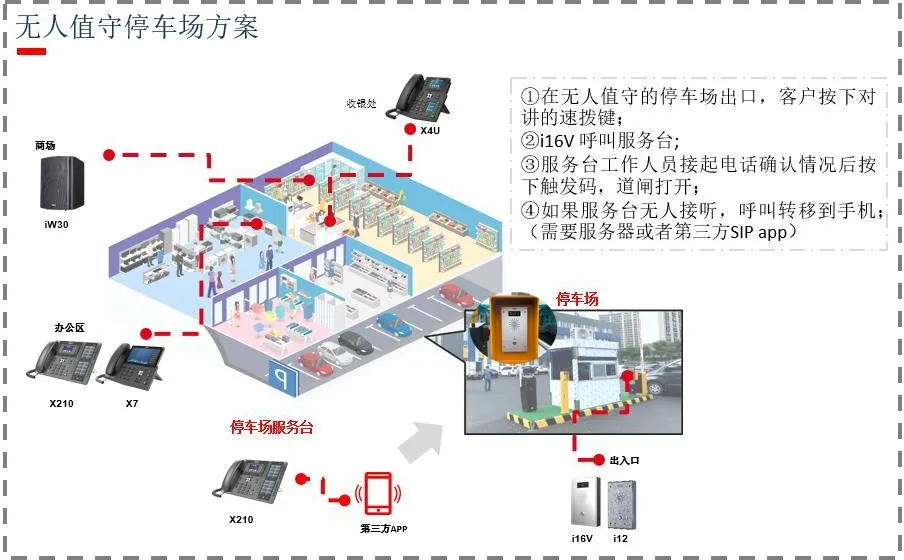
تدعم جميع أجهزة الاتصال الداخلي التشغيل عن بُعد لـ DTMF للمنافذ الناتجة. هذه الميزة بسيطة وعملية، ويمكنها تشغيل منفذ الإخراج الخاص بالاتصال الداخلي عن بُعد لتطبيقات مثل فتح الأبواب عن بُعد وفتح بوابات الحواجز عن بُعد. يمكن أن تساعد العملاء في بناء المزيد من الحلول غير المراقبة، مثل أنظمة الاتصالات لمواقف السيارات غير المراقبة، ومقاهي الإنترنت غير المراقبة، والصالات الرياضية غير المراقبة، والمواقع المماثلة.

    النماذج المتوافقة

جميع منتجات الاتصال الداخلي للشركة، بما في ذلك BPA2، BPA2S، Bi10، Bi10S، Bi10V، Bi10SV، Bi10D، Bi10SD، Bi16V، Bi12، Bi16S، Bi16SV، و Bi18S.

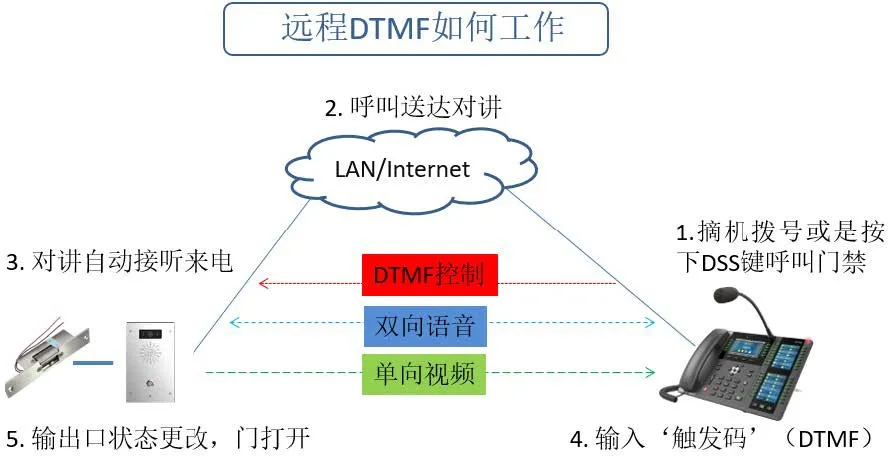
    كيفية عمل التشغيل عن بُعد لـ DTMF

يمكن أن يعمل التشغيل عن بُعد لـ DTMF بطريقتين:

  •             إحدى الطرق هي أنه عندما يحتاج زائر أو مالك مركبة إلى فتح بوابة حاجز أو فتح باب، فإنه يضغط على زر المساعدة في جهاز الاتصال الداخلي. بعد أن يرد موظف مكتب الخدمة على المكالمة ويتأكد من موقع وحالة الزائر أو السائق، يحتاج فقط إلى الضغط على رمز تشغيل على الهاتف، وسيقوم جهاز الاتصال الداخلي بتنشيط منفذ الإخراج لفتح الباب أو بوابة الحاجز.

  •             الطريقة الأخرى هي أن يتصل موظف مكتب الخدمة بجهاز الاتصال الداخلي. بعد أن يرد الاتصال الداخلي تلقائيًا، يقوم الموظف بإدخال رمز التشغيل، وسيقوم جهاز الاتصال الداخلي بتنشيط منفذ الإخراج لفتح الباب أو بوابة الحاجز. تظهر سير عمل هاتين الطريقتين أدناه:
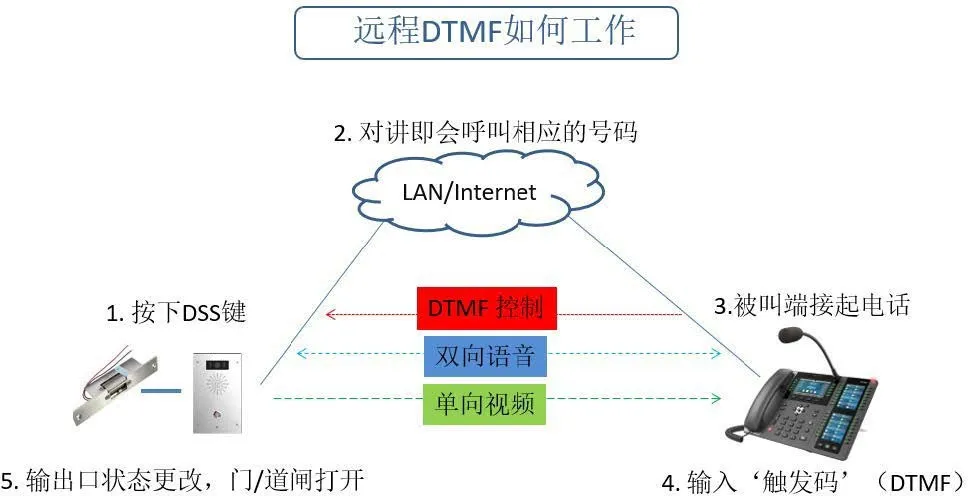
التشغيل عن بُعد لـ DTMF - وضع المتصل i16V
            (i16V - وضع المتصل)


التشغيل عن بُعد لـ DTMF - وضع المتصل به i16V
            (i16V - وضع المتصل به)

    سيناريوهات تطبيق DTMF عن بُعد

سيناريو تطبيق DTMF عن بُعد

    التحضير

① قبل أن تبدأ، تأكد من أن جهاز الاتصال الداخلي متصل بشكل صحيح ببوابة الحاجز أو القفل الكهربائي؛
② قم بإعداد كمبيوتر تهيئة واحد، وقم بتوصيل الكمبيوتر والهاتف وجهاز الاتصال الداخلي بنفس الشبكة المحلية، مع ضمان إمكانية الوصول إلى الشبكة بين الكمبيوتر والأجهزة.

    مخطط التوصيل

باستخدام Bi16V متصل بقفل كهربائي وهاتف IP وكمبيوتر كمثال، يظهر اتصال الشبكة الأساسي أدناه:
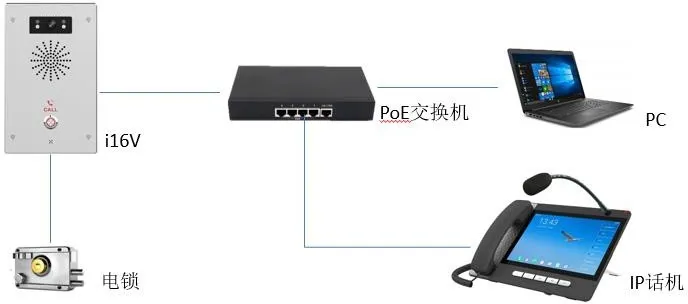
مخطط اتصال الشبكة

    دليل التشغيل

قبل استخدام وظيفة التشغيل عن بُعد لـ DTMF، يلزم التهيئة على كل من جهاز الاتصال الداخلي والهاتف. في هذا القسم، يتم استخدام i16V و A32i كمثال لشرح تهيئة وظيفة التشغيل عن بُعد لـ DTMF.

    تهيئة جهاز الاتصال الداخلي

بشكل افتراضي، يتم تعيين رمز تشغيل DTMF فريد لكل منفذ إخراج لجهاز الاتصال الداخلي في المصنع. قبل استخدام وظيفة التشغيل عن بُعد لـ DTMF، يحتاج المستخدمون إلى تأكيد أن التشغيل عن بُعد لـ DTMF ممكّن. يمكن أيضًا تغيير رمز التشغيل إذا لزم الأمر. خطوات التهيئة هي كما يلي:
1) قم بتسجيل الدخول إلى واجهة الويب الخاصة بجهاز الاتصال الداخلي؛
2) انتقل إلى صفحة إعدادات الأمان؛
3) ضمن إعدادات تشغيل الإنذار → الإخراج 1/2، قم بتمكين وظيفة التشغيل عن بُعد لـ DTMF؛
4) قم بتعديل رمز تشغيل DTMF المقابل حسب الحاجة؛
5) انقر على إرسال لحفظ التغييرات؛
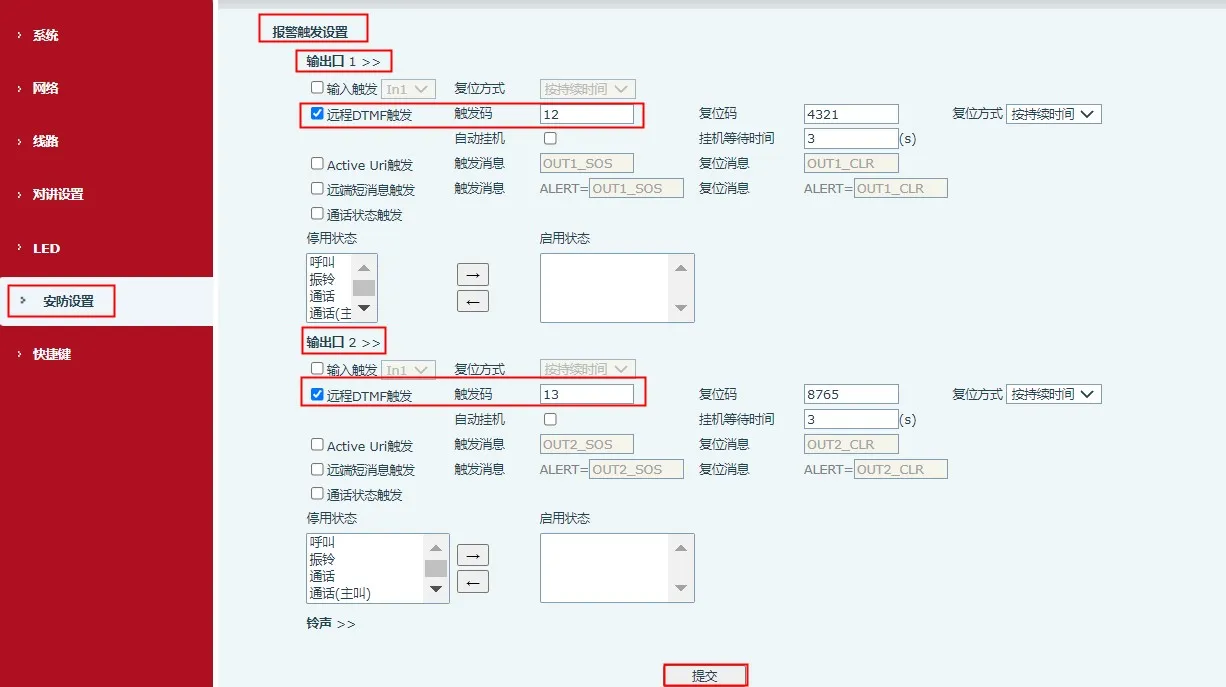
تهيئة جهاز الاتصال الداخلي

    تهيئة الهاتف

عندما يكون الهاتف في مكالمة مع جهاز الاتصال الداخلي i16V، يمكن للمستخدم إدخال رمز التشغيل من لوحة مفاتيح الهاتف لفتح الحاجز أو الباب. يمكن أيضًا تكوين مفتاح DSS بحيث بمجرد إنشاء المكالمة، يمكن للمستخدم الضغط مباشرة على مفتاح DSS لتشغيل منفذ إخراج i16V. خطوات التهيئة هي كما يلي:
1) قم بتسجيل الدخول إلى واجهة الويب الخاصة بالهاتف؛
2) انتقل إلى مفتاح الوظيفةمفتاح الوظيفة؛
3) حدد مفتاح وظيفة، واضبط نوعه على DTMF، وأدخل رمز تشغيل i16V في حقل القيمة؛
4) انقر على إرسال لحفظ التغييرات؛
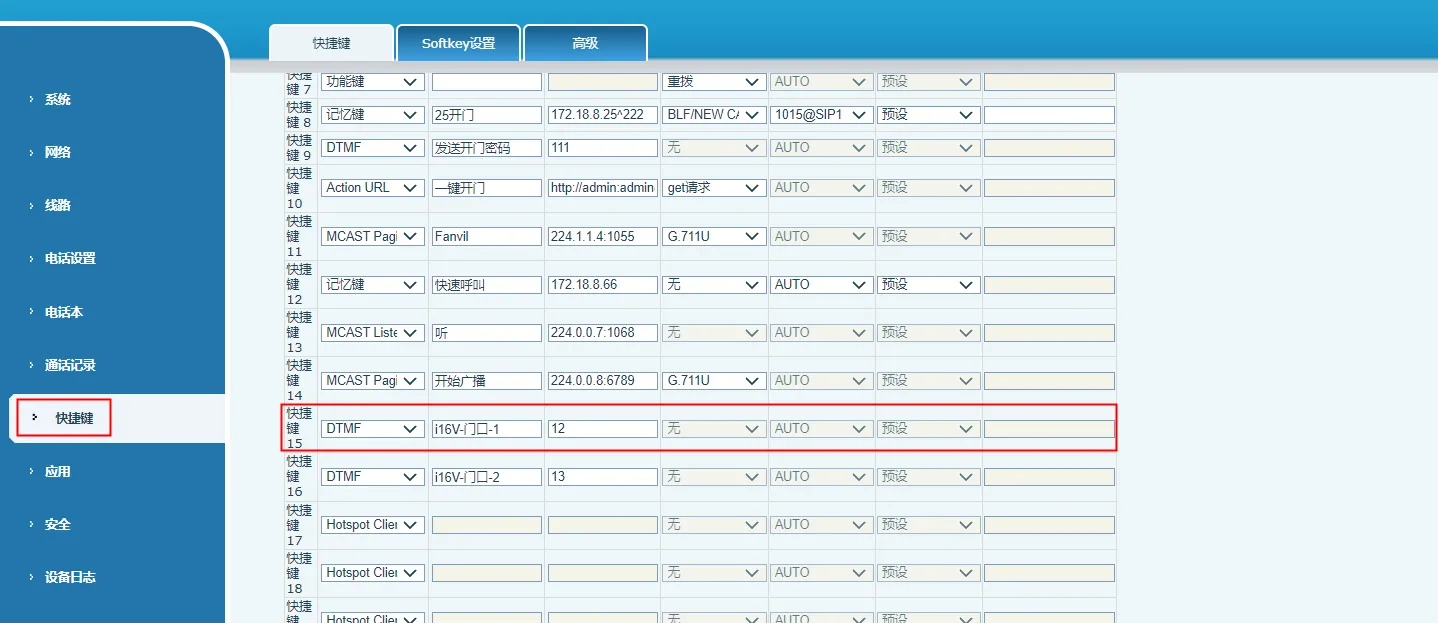
تهيئة الهاتف
ملاحظة: يجب أن تكون القيمة التي تم تكوينها على الهاتف مطابقة لرمز التشغيل الذي تم تكوينه على جهاز الاتصال الداخلي.

    ماذا تفعل إذا لم يعمل التشغيل عن بُعد

في الاستخدام الفعلي، قد يواجه المستخدمون أعطالاً في التشغيل عن بُعد لـ DTMF. يمكن أن يكون سبب ذلك أسلاكًا غير صحيحة، أو تهيئة غير مناسبة، أو أخطاء في الإرسال، أو مشكلات في الشبكة، وغيرها من المشكلات. خطوات استكشاف الأخطاء وإصلاحها هي كما يلي:
1) تحقق من الأسلاك
تحقق من الاتصال بين i16V والقفل الكهربائي / بوابة الحاجز / ضوء الإنذار، وتأكد من أن الجهاز الخارجي متصل بشكل صحيح بمنفذ الإخراج الخاص بـ i16V؛
2) تأكد من اتصال الإخراج
استخدم طرق تشغيل إخراج أخرى، مثل تشغيل الإدخال، أو تشغيل Active URI، أو تشغيل حالة المكالمة، لمعرفة ما إذا كان يمكن تشغيل منفذ إخراج i16V بشكل طبيعي. إذا لم يكن الأمر كذلك، فارجع إلى الخطوة 1) وتحقق من الأسلاك مرة أخرى. إذا كانت طرق التشغيل الأخرى تعمل بشكل طبيعي ولكن التشغيل عن بُعد لـ DTMF لا يزال لا يعمل، فتابع مع الفحوصات التالية؛
3) تحقق من التهيئة
تحقق من إعدادات جهاز الاتصال الداخلي وتأكد من تمكين التشغيل عن بُعد لـ DTMF وتكوين رمز تشغيل. تأكد من إدخال رمز التشغيل الصحيح على جانب الهاتف. إذا تم استخدام مفتاح وظيفة، فتحقق من تكوين مفتاح الوظيفة بشكل صحيح وأن قيمته تطابق رمز التشغيل الذي تم تكوينه على جهاز الاتصال الداخلي؛
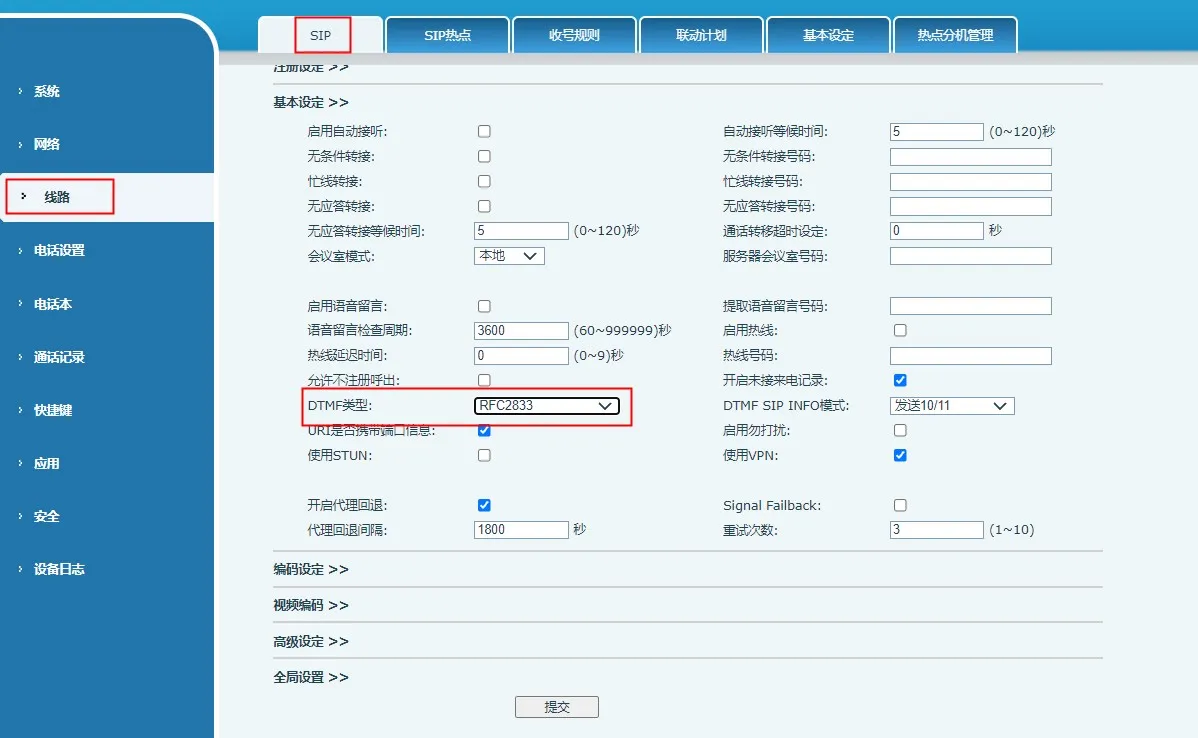
4) تحقق من نوع DTMF
يدعم جهاز الاتصال الداخلي تشغيل DTMF باستخدام SIP Info أو RFC2833. تأكد من أن نوع DTMF المستخدم على جانب الهاتف مضبوط على SIP Info أو RFC2833:
① إذا تم إجراء المكالمة من خلال خادم SIP، فانتقل إلى الخطصفحة SIP، واضبط نوع DTMF على RFC2833؛
نوع DTMF مضبوط على RFC2833
② إذا كانت مكالمة IP، فانتقل إلى الخطالإعدادات الأساسية، واضبط نوع DTMF على RFC2833؛
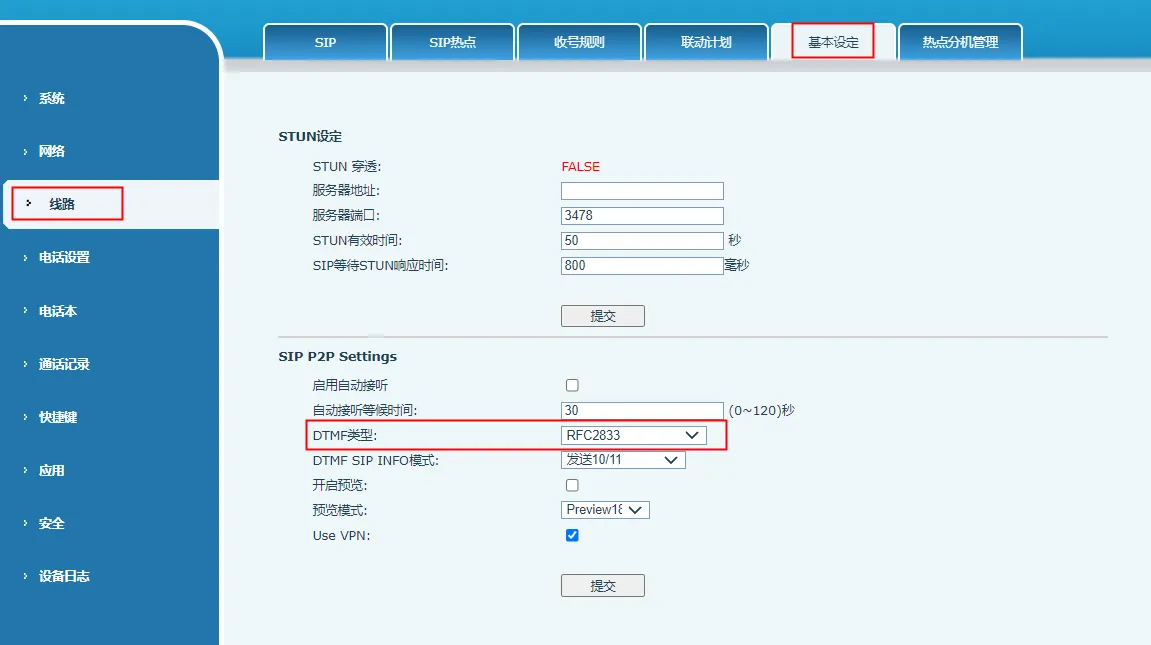
نوع DTMF مضبوط على RFC2833 لمكالمة IP
5) التقاط الحزم للتحليل
إذا استمرت المشكلة بعد الفحوصات المذكورة أعلاه، فالتقط تتبع حزم من جهاز الاتصال الداخلي والهاتف والخادم (إذا تم إجراء المكالمة من خلال خادم)، وقدم الملفات إلى الدعم الفني للتحليل. خطوات الالتقاط هي كما يلي:
① على كل من جهاز الاتصال الداخلي والهاتف، انتقل إلى النظام → الأدوات وابدأ التقاط حزم الويب؛
② استخدم جهاز الاتصال الداخلي والهاتف لتكرار عملية التشغيل عن بُعد لـ DTMF وإعادة إنتاج المشكلة؛
③ أوقف التقاط حزم الويب وقدم الملفات المحفوظة إلى الدعم الفني؛
ملاحظة: إذا تم إجراء المكالمة من خلال خادم SIP، فيرجى أيضًا التقاط تتبع حزم على جانب الخادم. تختلف إجراءات التقاط الحزم حسب بائع الخادم، لذا استشر مورد خادم SIP للحصول على التفاصيل.

كتالوج
المهنية الصانع الاتصالات الصناعية ، وتوفير ضمان الاتصالات موثوقية عالية!
مشاورات التعاون
خدمة العملاء الهاتف
We use cookie to improve your online experience. By continuing to browse this website, you agree to our use of cookie.

Cookies

This Cookie Policy explains how we use cookies and similar technologies when you access or use our website and related services. Please read this Policy together with our Terms and Conditions and Privacy Policy so that you understand how we collect, use, and protect information.

By continuing to access or use our Services, you acknowledge that cookies and similar technologies may be used as described in this Policy, subject to applicable law and your available choices.

Updates to This Cookie Policy

We may revise this Cookie Policy from time to time to reflect changes in legal requirements, technology, or our business practices. When we make updates, the revised version will be posted on this page and will become effective from the date of publication unless otherwise required by law.

Where required, we will provide additional notice or request your consent before applying material changes that affect your rights or choices.

What Are Cookies?

Cookies are small text files placed on your device when you visit a website or interact with certain online content. They help websites recognize your browser or device, remember your preferences, support essential functionality, and improve the overall user experience.

In this Cookie Policy, the term “cookies” also includes similar technologies such as pixels, tags, web beacons, and other tracking tools that perform comparable functions.

Why We Use Cookies

We use cookies to help our website function properly, remember user preferences, enhance website performance, understand how visitors interact with our pages, and support security, analytics, and marketing activities where permitted by law.

We use cookies to keep our website functional, secure, efficient, and more relevant to your browsing experience.

Categories of Cookies We Use

Strictly Necessary Cookies

These cookies are essential for the operation of the website and cannot be disabled in our systems where they are required to provide the service you request. They are typically set in response to actions such as setting privacy preferences, signing in, or submitting forms.

Without these cookies, certain parts of the website may not function correctly.

Functional Cookies

Functional cookies enable enhanced features and personalization, such as remembering your preferences, language settings, or previously selected options. These cookies may be set by us or by third-party providers whose services are integrated into our website.

If you disable these cookies, some services or features may not work as intended.

Performance and Analytics Cookies

These cookies help us understand how visitors use our website by collecting information such as traffic sources, page visits, navigation behavior, and general interaction patterns. In many cases, this information is aggregated and does not directly identify individual users.

We use this information to improve website performance, usability, and content relevance.

Targeting and Advertising Cookies

These cookies may be placed by our advertising or marketing partners to help deliver more relevant ads and measure the effectiveness of campaigns. They may use information about your browsing activity across different websites and services to build a profile of your interests.

These cookies generally do not store directly identifying personal information, but they may identify your browser or device.

First-Party and Third-Party Cookies

Some cookies are set directly by our website and are referred to as first-party cookies. Other cookies are set by third-party services, such as analytics providers, embedded content providers, or advertising partners, and are referred to as third-party cookies.

Third-party providers may use their own cookies in accordance with their own privacy and cookie policies.

Information Collected Through Cookies

Depending on the type of cookie used, the information collected may include browser type, device type, IP address, referring website, pages viewed, time spent on pages, clickstream behavior, and general usage patterns.

This information helps us maintain the website, improve performance, enhance security, and provide a better user experience.

Your Cookie Choices

You can control or disable cookies through your browser settings and, where available, through our cookie consent or preference management tools. Depending on your location, you may also have the right to accept or reject certain categories of cookies, especially those used for analytics, personalization, or advertising purposes.

Please note that blocking or deleting certain cookies may affect the availability, functionality, or performance of some parts of the website.

Restricting cookies may limit certain features and reduce the quality of your experience on the website.

Cookies in Mobile Applications

Where our mobile applications use cookie-like technologies, they are generally limited to those required for core functionality, security, and service delivery. Disabling these essential technologies may affect the normal operation of the application.

We do not use essential mobile application cookies to store unnecessary personal information.

How to Manage Cookies

Most web browsers allow you to manage cookies through browser settings. You can usually choose to block, delete, or receive alerts before cookies are stored. Because browser controls vary, please refer to your browser provider’s support documentation for details on how to manage cookie settings.

Contact Us

If you have any questions about this Cookie Policy or our use of cookies and similar technologies, please contact us at support@becke.cc .